

The Allure of Casino Gaming
The thrill of casino gaming captivates many individuals, drawing them into a world filled with excitement and the possibility of winning big. This attraction can be traced back to the brain’s reward system, which is activated during gambling activities. As players engage in games of chance, the anticipation of potential wins releases dopamine, a neurotransmitter linked to pleasure and motivation. Additionally, for those looking beyond traditional platforms, exploring non gamstop betting sites may offer new opportunities for engagement. This chemical response can create a powerful craving for more gaming experiences, making it difficult for some to resist the urge to play.

Moreover, casinos are designed with psychological strategies in mind. From the vibrant colors and alluring sounds to the strategic placement of slot machines and tables, every aspect is intended to keep players engaged. This sensory stimulation fosters a sense of euphoria, further solidifying the connection between gaming and enjoyment, which can lead to habitual gaming patterns.
Influences on Gambling Behavior
Various factors contribute to the gambling behaviors of individuals, including personal, social, and environmental elements. Social circles play a significant role, with individuals often influenced by friends and family who engage in gambling. This social dynamic can lead to a normalization of gambling, making it more accepted and even encouraged in certain contexts.
Additionally, personal traits such as risk-taking propensity, impulse control, and even emotional state can influence one’s gaming habits. Those with a higher tolerance for risk may find themselves gravitating towards more volatile games, while individuals experiencing stress or anxiety might utilize gambling as an escape, seeking solace in the uncertain outcomes of casino games.
The Role of Cognitive Biases
Cognitive biases significantly impact how players perceive their chances of winning. One common example is the “Gambler’s Fallacy,” where individuals believe that past outcomes will influence future results, leading them to chase losses or assume they are ‘due’ for a win. This flawed reasoning can perpetuate a cycle of gambling, where players continue to invest time and money, fully convinced that they will eventually emerge victorious.
Another bias that affects gamblers is the “illusion of control,” where players mistakenly believe that they can influence the outcome of a game, especially in games deemed to require skill. This illusion can lead to overconfidence and prolonged gaming sessions, as players feel empowered despite the inherent randomness of casino games.
Understanding Responsible Gambling
Understanding the psychological aspects of gaming habits is crucial for fostering responsible gambling practices. Operators and regulatory bodies are increasingly focusing on implementing measures that promote awareness about the risks associated with gambling. By educating players on the potential consequences and encouraging self-regulation, the industry aims to mitigate the negative impacts of problematic gambling behavior.
Responsible gambling initiatives often incorporate tools such as deposit limits, time reminders, and self-exclusion options. These strategies empower players to maintain control over their gaming activities, promoting a healthier relationship with gambling and reducing the likelihood of developing harmful habits.
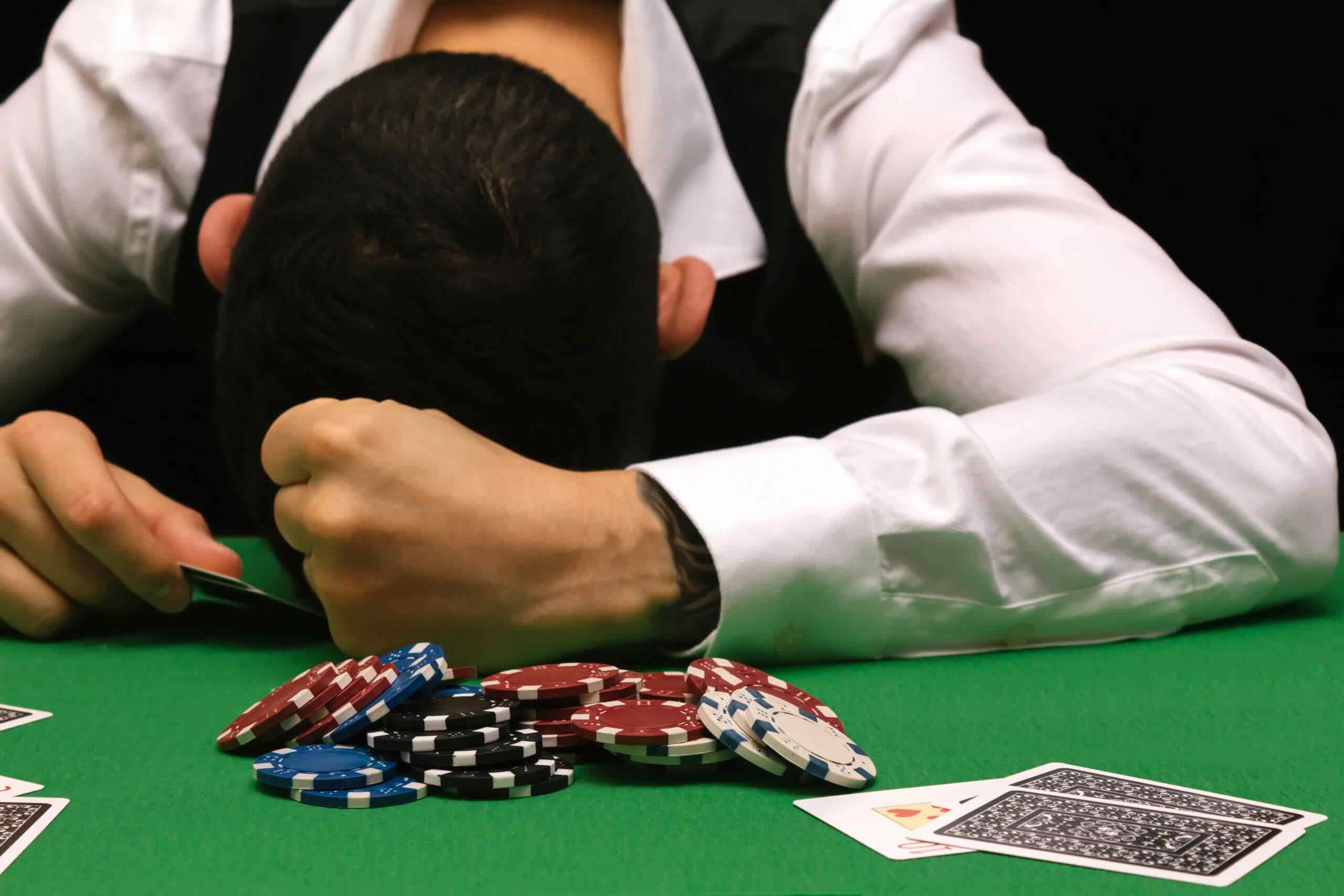
Ensuring Safe Gambling Environments
In the context of online gambling and casino platforms, ensuring a secure and responsible gaming environment is paramount. This includes protecting users from potential online threats while providing clear guidelines on responsible gambling practices. Platforms dedicated to maintaining user safety deploy advanced security measures to shield players from risks, ensuring a trustworthy experience.
Additionally, these platforms often offer resources for players struggling with their gambling habits, including educational content and access to support services. By prioritizing user safety and promoting responsible gambling, these platforms aim to create a positive gaming experience that respects player well-being while encouraging healthy gaming behaviors.